Surface-Mount Technology (SMT) has revolutionized electronics manufacturing by enabling high-density PCB assemblies, faster production cycles, and cost efficiency. However, achieving consistent quality and optimal yield requires careful planning and process optimization. In this article, we outline the top 10 tips to optimize your SMT PCBA production for both prototyping and mass production.
1. Design for Manufacturability (DFM)
The first step to a smooth SMT assembly process is ensuring your PCB design is optimized for manufacturing. Key considerations include:
Proper pad sizes and clearances
Correct solder mask and stencil design
Component orientation and spacing
A well-designed PCB reduces soldering defects, misalignment, and rework. For a deeper understanding of SMT and THT differences in assembly, check out our previous article: SMT vs THT: What’s the Difference and Which Should You Use?
2. Choose Quality Components and Suppliers
Reliable components are critical for reducing defects and improving overall yield. Partner with trusted suppliers who offer:
Verified component authenticity
Adequate stock availability
Consistent quality standards
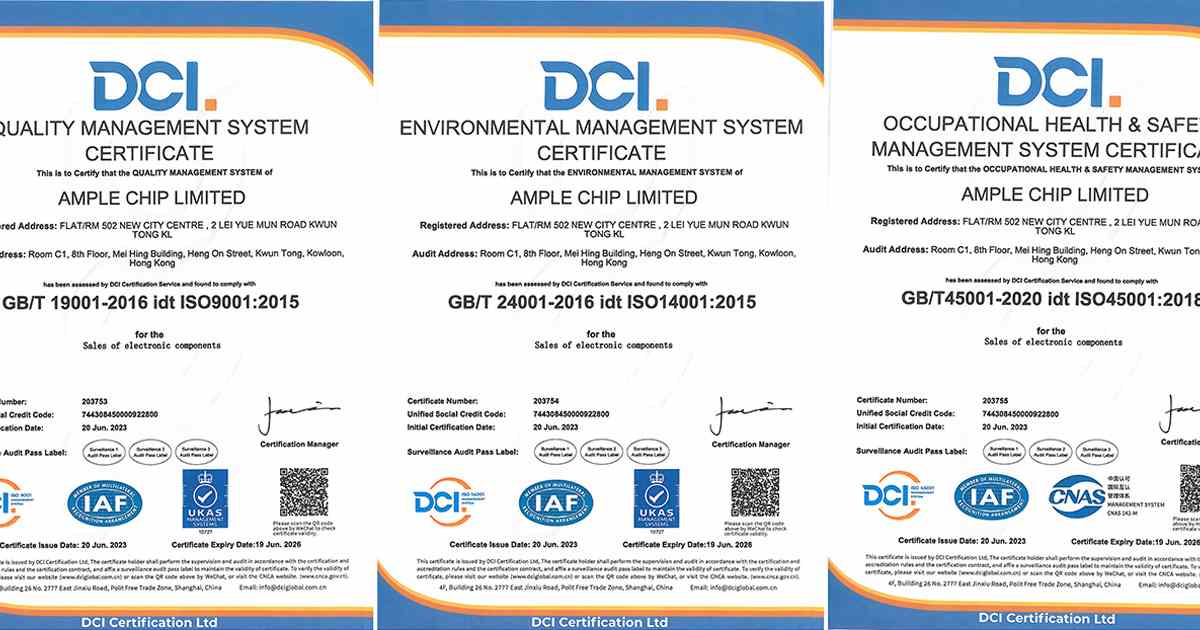
Ample Chip, as a leading one-stop PCBA service platform, provides high-quality components from major manufacturers, supporting both SMT and THT needs.
3. Optimize Solder Paste Application
Solder paste quality and application directly affect solder joint reliability. Tips include:
Use high-quality, lead-free or compatible solder paste
Ensure stencil thickness matches pad requirements
Maintain proper storage and handling of paste
Correct application reduces tombstoning, bridging, and insufficient soldering.
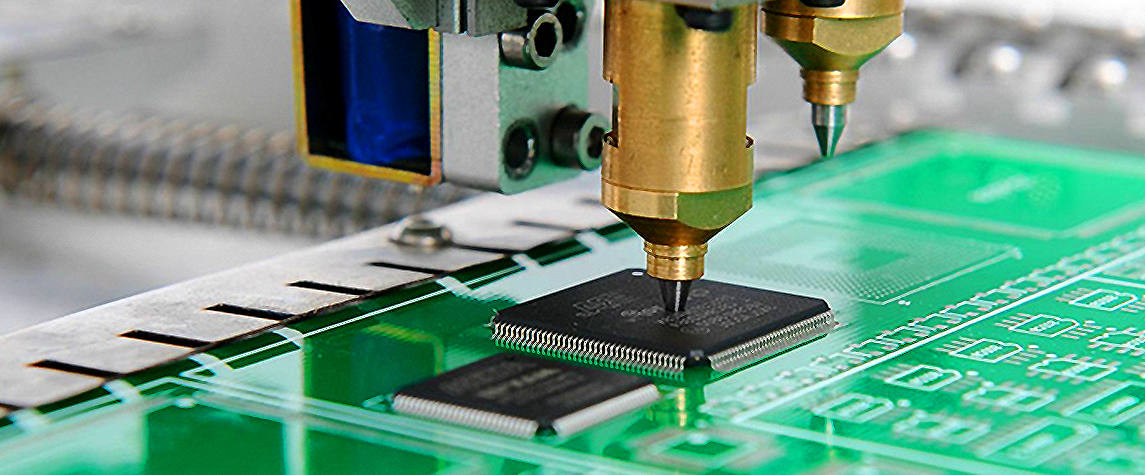
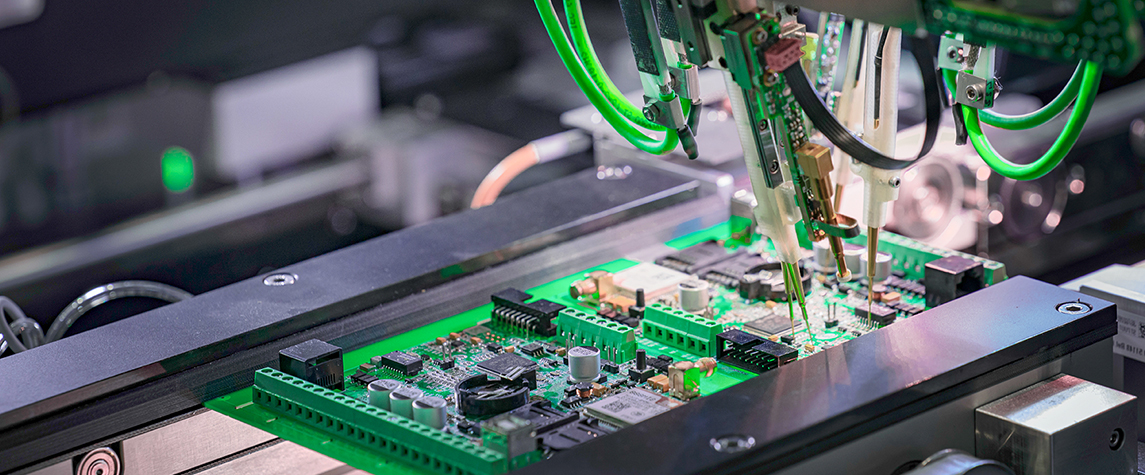
4. Maintain Pick-and-Place Accuracy
Automated pick-and-place machines are the backbone of SMT assembly. Optimize placement by:
Regular calibration of machines
Using vision systems for component alignment
Avoiding excessive vibration and thermal shocks
High placement accuracy ensures consistent soldering and reduces rework.
5. Control Reflow Soldering Profile
Reflow soldering must match the thermal requirements of components and PCB materials. Key steps:
Follow recommended temperature profiles from component datasheets
Monitor peak temperatures to avoid damage
Adjust conveyor speed and zone temperatures as needed
Proper reflow soldering prevents solder voids, lifted pads, and component damage. For more insights on the entire PCBA manufacturing process, see: The Complete PCBA Manufacturing Process Explained
6. Implement Rigorous Quality Inspection
Quality inspection is vital to detect defects early. Recommended methods:
SPI (Solder Paste Inspection): Check solder volume before reflow
AOI (Automated Optical Inspection): Detect misaligned or missing components
X-ray inspection: Check hidden solder joints like BGAs
A robust inspection process reduces returns, scrap, and post-production troubleshooting.
7. Optimize Component Placement Sequence
Efficient component placement minimizes errors and production time. Consider:
Placing large or heat-sensitive components first
Sequencing components to reduce head movement
Grouping similar components together
This approach improves production speed and reduces machine downtime.
8. Maintain Environmental Controls
Temperature, humidity, and cleanliness affect soldering and component reliability. Tips:
Maintain PCB and component storage at recommended conditions
Use dehumidifiers and clean rooms for sensitive components
Avoid electrostatic discharge (ESD) by following proper grounding protocols
Environmental control enhances assembly consistency and product longevity.
9. Invest in Skilled Workforce and Training
Even with automated SMT lines, skilled operators are essential for:
Machine setup and calibration
Manual soldering or rework of small components
Troubleshooting and process improvement
A well-trained team reduces errors, shortens production cycles, and maintains high-quality standards.
10. Adopt Continuous Process Improvement
Regular monitoring and process optimization help sustain efficiency. Steps include:
Collect production data for analysis
Identify recurring defects and root causes
Update DFM guidelines and process parameters accordingly
Continuous improvement fosters higher yield, lower costs, and faster time-to-market.
Conclusion
Optimizing SMT PCBA production requires a balance of design, material quality, process control, and skilled workforce. By following these top 10 tips, electronics manufacturers can achieve faster turnaround, higher yields, and consistent product quality.
For a complete overview of SMT and PCBA services, consider our full One-Stop PCBA Service Platform, which integrates component sourcing, SMT/THT assembly, and rapid prototyping.
Related News
Top 10 Tips to Optimize Your SMT PCBA Production
SMT vs THT: What’s the Difference and Which Should You Use?
What Is SMT Assembly? A Complete Guide
Why Choose Ample Chip for PCB-SMT Support
One-Stop Solution for PCBA: From Component Sourcing to Assembly
PCBA vs PCB vs SMT: What’s the Difference?
The Complete PCBA Manufacturing Process Explained