In today’s fast-evolving electronics industry, reliable component sourcing is more critical than ever. Whether you’re an OEM (Original Equipment Manufacturer), EMS (Electronics Manufacturing Services) provider, or startup developing the next big innovation, your success heavily depends on the quality, authenticity, and availability of the electronic components you use.
That's why choosing a trustworthy electronic component distributor is a strategic decision — not just a purchasing task.
So, how do you select the right partner in a sea of suppliers, brokers, and global distributors? Here are key factors to consider:
1. Industry Reputation and Track Record
Start by evaluating the distributor’s market presence, years in operation, and industry standing. Reputable distributors typically:
Serve a broad customer base including large OEMs or EMS companies.
Have positive reviews and case studies.
Are featured in industry publications or participate in trade shows.
A proven track record indicates stability, experience, and a well-established supply network — all essential for long-term partnerships.
2. Component Authenticity and Quality Assurance
One of the biggest concerns in component sourcing is counterfeit parts. A reliable distributor should have:
Strict quality control processes
In-house testing and inspection equipment
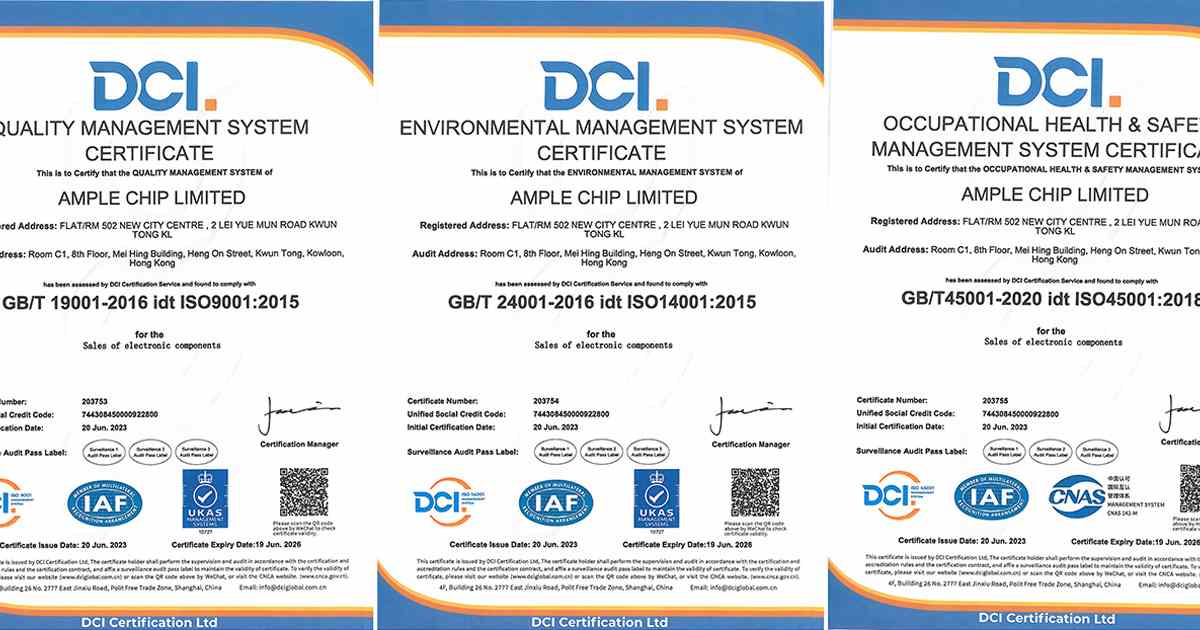
Certifications like ISO 9001, AS9120, or ANSI/ESD standards
Traceability to original manufacturers or authorized sources
Ask whether they conduct X-ray inspections, decapsulation, electrical testing, and visual inspection on high-risk components. A serious distributor will never compromise on quality assurance.
3. Authorized vs Independent Distributor Capabilities
There are two primary types of distributors:
Authorized Distributors: Directly partnered with manufacturers. They offer genuine parts, manufacturer warranties, and technical support.
Independent Distributors: Source from a wider variety of channels, including excess inventory and global networks.
While authorized distributors are ideal for commonly available parts, independent distributors excel in sourcing hard-to-find, EOL (End of Life), or obsolete components — especially during shortages.
A reliable independent distributor can bridge gaps when traditional channels fail, but must demonstrate proven sourcing practices and rigorous vetting procedures.
4. Global Supply Chain and Inventory Reach
The best distributors maintain broad, diverse inventories across global warehouses. This allows them to:
Fulfill urgent orders faster
Offer flexible shipping options
Reduce lead times
Provide better pricing due to volume procurement
Some distributors also offer real-time inventory search, online BOM uploads, or API integration, making the sourcing process efficient and transparent.
5. Technical Support and Product Knowledge
A good distributor does more than move boxes — they understand what’s inside. Look for suppliers who offer:
Engineering support for component selection
Datasheets and cross-reference tools
Guidance on compatible alternatives or replacements
Application advice for specific industries (automotive, medical, aerospace, etc.)
This is especially important when your design depends on specialized or high-performance components.
6. Flexible Ordering and Logistics Services
Modern electronic product lifecycles require flexibility in:
MOQ (Minimum Order Quantities)
Packaging options (cut tape, reels, trays)
Drop shipping
Custom labeling
Kitting or scheduled deliveries
A distributor that supports both prototyping needs and mass production is a valuable partner at all stages of development.
7. Responsiveness and Customer Service
Time is money in electronics manufacturing. Delays in communication or unclear updates can jeopardize your project.
A trustworthy distributor should offer:
Fast quoting (within hours, not days)
Dedicated account managers or support teams
Clear order tracking and lead time visibility
Proactive communication on delays or substitutions
Bonus points if they support multiple languages and operate across different time zones.
8. Transparency and Documentation
Look for transparency in:
Quoting and pricing (no hidden fees)
Lead time estimation
Warranty terms
Return and RMA policies
You should also receive comprehensive documentation with each shipment, including:
Certificates of Conformance (CoC)
Test reports (if applicable)
Batch or lot numbers
9. Risk Management and Compliance
A distributor committed to long-term business should comply with:
RoHS, REACH, and Conflict Minerals regulations
Anti-counterfeiting standards
Proper ESD handling practices
Secure warehousing and climate-controlled storage
These are indicators of a professional, risk-aware organization.
Choosing Ample Chip as Your Trusted Distributor
As a globally recognized independent agent and distributor of semiconductors and electronic components, Ample Chip stands out by combining global supply reach, stringent quality control, and responsive customer support.
Why leading OEMs and EMS companies choose Ample Chip:
Extensive inventory: Covering active, passive, obsolete, and hard-to-find parts
Strict quality assurance: Multi-level inspection, supplier vetting, and traceability
Fast delivery: Global warehousing and efficient logistics networks
Technical support: BOM analysis, sourcing suggestions, and replacements
One-stop service: From component procurement to full PCBA assembly
Global presence: Supporting customers across Asia, Europe, and the Americas
24-hour turnaround: For urgent component sourcing or PCBA projects
Whether you're building your next IoT product, industrial control system, or automotive application, Ample Chip provides the reliability, flexibility, and service excellence needed to succeed in today's competitive electronics landscape.