In the world of electronics, semiconductors are the backbone of almost every modern device, from smartphones and computers to cars and industrial machinery. While many people are familiar with integrated circuits (ICs), which combine thousands or even millions of semiconductor devices into a single chip, discrete semiconductors are just as important. These individual components serve as the building blocks of more complex systems, providing essential functionality in countless applications.
Understanding Discrete Semiconductors
A discrete semiconductor is a single, standalone semiconductor device designed to perform one specific electronic function. Unlike integrated circuits, which house multiple semiconductor devices in a single package, discrete semiconductors operate independently. They are manufactured to handle specific tasks such as switching, amplifying, rectifying, or regulating electrical signals.
The materials used in discrete semiconductors are typically silicon, gallium arsenide, or other compound semiconductors, chosen for their electrical properties. Because of their simplicity, discrete devices are cost-effective, reliable, and able to withstand a wide range of operating conditions.
Common Types of Discrete Semiconductors
Diodes
Diodes allow current to flow in only one direction. They are widely used in rectifiers, signal demodulation, voltage regulation, and protection circuits. Variants such as Zener diodes and Schottky diodes expand their functionality.
Transistors
Perhaps the most iconic discrete semiconductor, transistors act as switches or amplifiers. They come in two major types: bipolar junction transistors (BJTs) and field-effect transistors (FETs). Discrete transistors are essential in power regulation, signal processing, and control circuits.
Thyristors
These are four-layer semiconductors that act as latching switches. Thyristors are commonly found in high-power applications like motor control, power conversion, and industrial automation systems.
Rectifiers
A rectifier is essentially a high-power diode used to convert alternating current (AC) into direct current (DC). They are vital in power supplies for electronic devices.
Photodiodes and LEDs
Photodiodes convert light into electrical signals, while light-emitting diodes (LEDs) do the opposite by emitting light when current flows through them. Both are examples of discrete semiconductors with specialized roles in sensing and illumination.
Why Discrete Semiconductors Are Important
While integrated circuits dominate complex electronics, discrete semiconductors remain crucial for several reasons:
Power Handling: Many discrete devices can handle high voltages and currents that ICs cannot. For example, power transistors and diodes are essential in power conversion and distribution systems.
Reliability and Flexibility: Discrete components offer a straightforward design approach. Engineers can select and configure specific devices to meet unique requirements.
Cost-Effectiveness: For simpler tasks, using discrete semiconductors can be more economical than designing an integrated circuit.
Specialized Applications: Some functions, such as high-power rectification or light emission, are better served by discrete components rather than ICs.
Applications of Discrete Semiconductors
Discrete semiconductors are embedded in almost every electronic system you encounter daily:
Consumer Electronics: Used in power supplies, battery chargers, and display backlighting.
Automotive Systems: Provide power regulation, motor control, and lighting solutions.
Industrial Equipment: Support high-power drives, automation systems, and robotics.
Telecommunications: Enable signal switching, amplification, and transmission.
Renewable Energy: Integral to solar inverters, wind turbines, and energy storage systems.
Their versatility ensures that despite the rise of integrated circuits, discrete semiconductors remain indispensable across multiple industries.
The Future of Discrete Semiconductors
The demand for discrete semiconductors continues to grow alongside global advancements in energy, mobility, and communication technologies. Key trends include:
Wide Bandgap Materials: Devices made from silicon carbide (SiC) and gallium nitride (GaN) are becoming increasingly popular due to their higher efficiency, faster switching, and ability to operate under extreme conditions.
Miniaturization and Integration: While still discrete, newer devices are being packaged more compactly to save space and improve performance.
Sustainability: As renewable energy adoption expands, discrete semiconductors will play an even larger role in efficient power conversion and management.
Conclusion
In summary, discrete semiconductors are single-function devices that serve as the foundation of modern electronics. From diodes and transistors to LEDs and thyristors, these components are found in everything from small consumer gadgets to large-scale industrial machinery. Their reliability, cost-effectiveness, and ability to handle high power ensure they will remain vital to the electronics industry well into the future.
Ample Chip – Your Trusted Discrete Semiconductor Distributor
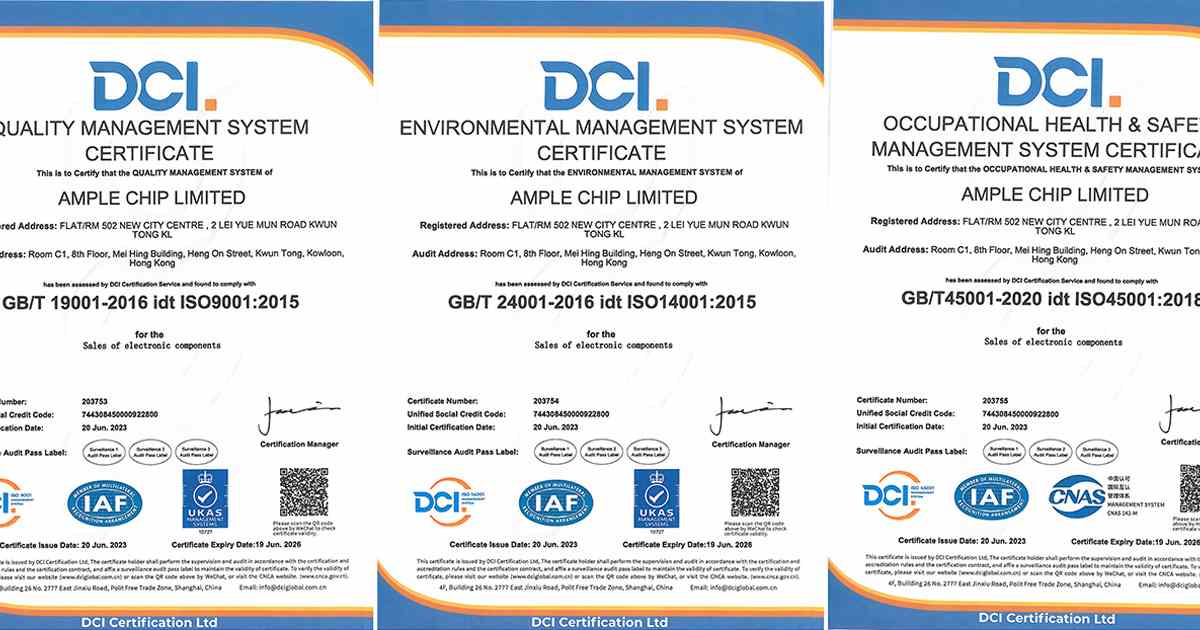
If your business needs reliable access to high-quality discrete semiconductors, Ample Chip is your go-to partner. As a professional distributor of discrete semiconductor devices, Ample Chip provides a wide range of components sourced from globally recognized manufacturers. Whether you are looking for diodes, transistors, rectifiers, or advanced wide-bandgap devices, Ample Chip ensures you receive genuine products, competitive pricing, and excellent technical support.
By partnering with Ample Chip, you gain a trusted supplier dedicated to meeting your semiconductor needs, helping you innovate and succeed in today’s fast-paced electronics market.
Related News
What is a Discrete Semiconductor?
What Are the Uses of Discrete Semiconductors?
What Is the Difference Between Discrete Semiconductors and Module Semiconductors?