In today’s digital era, semiconductors are the building blocks of modern technology. From smartphones and computers to cars and medical devices, almost every electronic device relies on semiconductors to function. Without them, the world as we know it—connected, automated, and intelligent—would not exist.
But what exactly is a semiconductor? How does it work, and why is it so critical across industries? This article explores the fundamentals of semiconductors, their unique properties, and their diverse applications, offering insights into why they remain at the heart of global innovation.
What Is a Semiconductor?
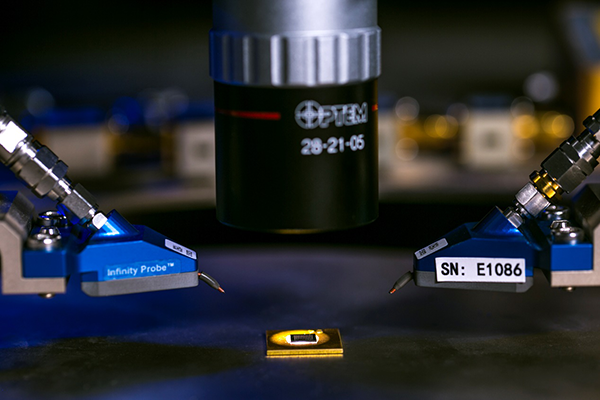
A semiconductor is a material whose electrical conductivity falls between that of a conductor (like copper) and an insulator (like glass). In simple terms, semiconductors can conduct electricity under certain conditions, but not always. This controllable conductivity is what makes them so valuable in electronics.
The most common semiconductor material is silicon, which is abundant in nature and has favorable electronic properties. Other materials such as gallium arsenide, germanium, and silicon carbide are also used, especially in specialized applications like high-frequency or high-power devices.
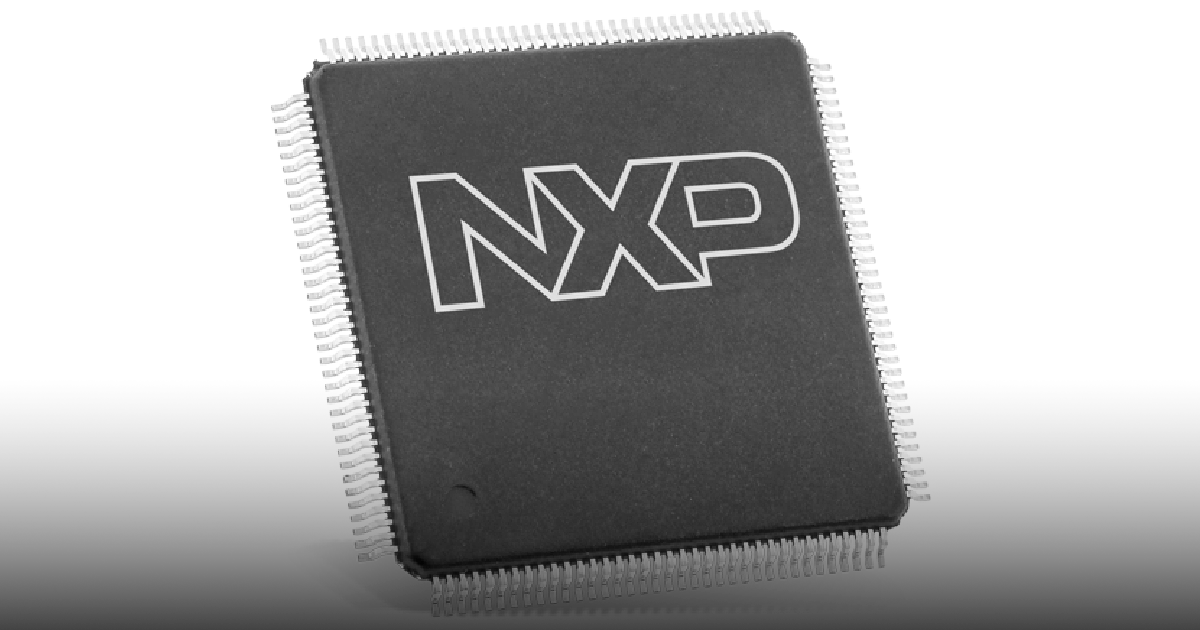
The ability of semiconductors to switch between conducting and insulating states is the principle behind electronic components such as diodes, transistors, and integrated circuits (ICs). These components serve as the foundation for everything from simple switches to advanced computing processors.
The Unique Properties of Semiconductors
Semiconductors are special because their conductivity can be manipulated. This is done through a process known as doping, where small amounts of impurities are added to pure semiconductor material. Depending on the type of doping, semiconductors can be classified into:
N-type: Doped with elements that provide extra electrons (negative charge carriers).
P-type: Doped with elements that create “holes” or positive charge carriers.
By combining N-type and P-type materials, engineers create PN junctions, which are the basis for diodes and transistors. With this structure, semiconductors can amplify signals, switch electrical currents, and store information—making them indispensable in electronics.
How Semiconductors Are Used
The applications of semiconductors are vast and span nearly every industry. Below are some of the most important areas where semiconductors play a role:
1. Consumer Electronics
Semiconductors are at the heart of devices such as smartphones, tablets, laptops, and televisions. Integrated circuits (ICs) act as the "brains" of these devices, enabling processing, memory storage, and connectivity. For instance, microprocessors made of semiconductors execute billions of calculations per second, allowing modern devices to deliver fast and powerful performance.
2. Automotive Industry
Modern vehicles are increasingly becoming computers on wheels, powered by semiconductors. From engine control units (ECUs) and infotainment systems to advanced driver-assistance systems (ADAS) and electric vehicle (EV) batteries, semiconductors ensure safety, efficiency, and innovation in cars. The rise of EVs and autonomous driving has only increased the demand for high-performance semiconductor devices.
3. Medical Equipment
In healthcare, semiconductors are essential for life-saving technologies. They are used in imaging equipment such as MRI and CT scanners, diagnostic tools, wearable health monitors, and implantable devices like pacemakers. Their precision and reliability make them critical in applications where accuracy can mean the difference between life and death.
4. Industrial and Manufacturing Systems
Factories and industrial automation systems rely on semiconductors for robotics, motor control, and power management. Sensors powered by semiconductors monitor processes in real-time, ensuring productivity, energy efficiency, and safety in modern manufacturing.
5. Telecommunications and Networking
The expansion of 5G and IoT (Internet of Things) depends heavily on semiconductor technologies. High-frequency semiconductors like gallium nitride (GaN) enable faster data transfer, stable connectivity, and energy-efficient base stations, forming the backbone of modern communication networks.
6. Renewable Energy and Power Electronics
Semiconductors are also key to sustainable energy solutions. Solar panels use semiconductor materials to convert sunlight into electricity, while power semiconductors regulate and optimize energy flow in wind turbines, smart grids, and energy storage systems.
The Role of Semiconductors in Innovation
It is hard to overstate the importance of semiconductors in shaping modern society. Without them, there would be no smartphones, cloud computing, or artificial intelligence. Every leap in technology—from faster processors to cleaner energy—relies on advancements in semiconductor design and manufacturing.
As the demand for more powerful, energy-efficient, and miniaturized devices grows, semiconductors continue to evolve. Innovations such as 3D chip stacking, quantum semiconductors, and wide bandgap materials (like silicon carbide and GaN) are pushing the boundaries of performance and opening doors to new possibilities.
Conclusion
Semiconductors are far more than just materials; they are the foundation of modern technology. Their ability to conduct electricity under controlled conditions has enabled innovations across industries—consumer electronics, automotive, healthcare, industrial automation, telecommunications, and renewable energy.
As global demand for electronic devices and smart systems continues to surge, so does the importance of reliable semiconductor sourcing and supply.
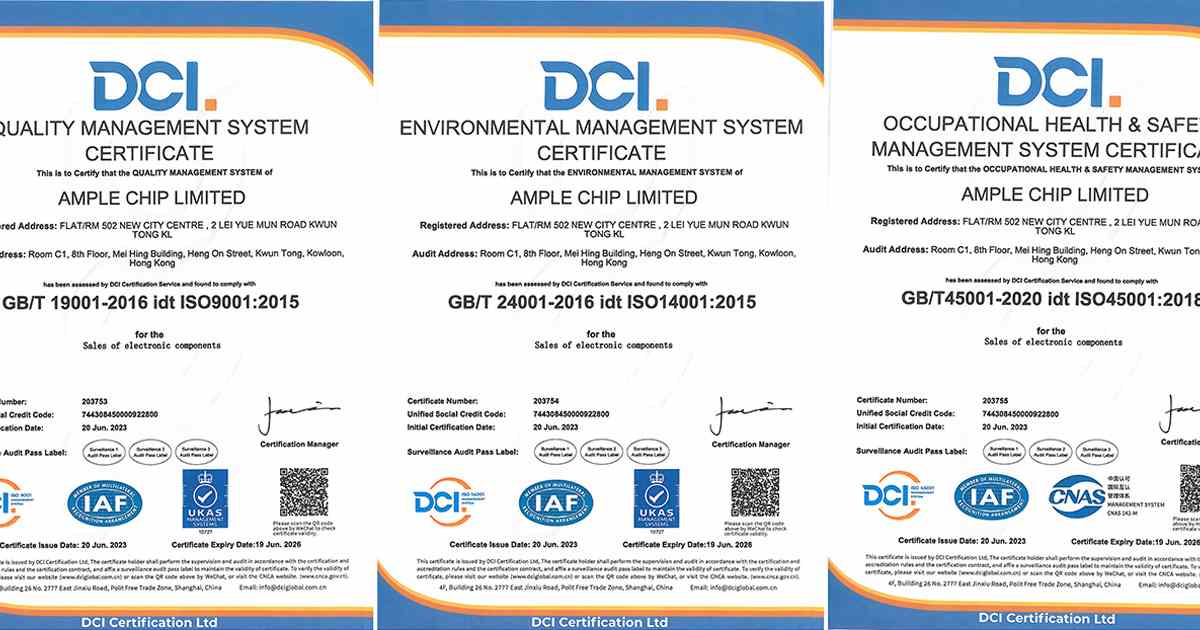
That’s where Ample Chip comes in. As a trusted Semiconductor wholesale supplier, Ample Chip provides customers with high-quality, authentic, and cost-effective semiconductor components. With a strong global sourcing network, strict quality control, and efficient delivery, Ample Chip ensures manufacturers across industries have access to the semiconductors they need to innovate and succeed. Whether for small-scale projects or mass production, Ample Chip is your reliable partner in the semiconductor supply chain.