Integrated circuits, or ICs, are the building blocks of modern electronics. From smartphones and laptops to medical devices and automobiles, ICs power nearly every digital and analog device we use today. But what exactly is an integrated circuit, and how does it work? Let’s break it down.
What Is an Integrated Circuit?
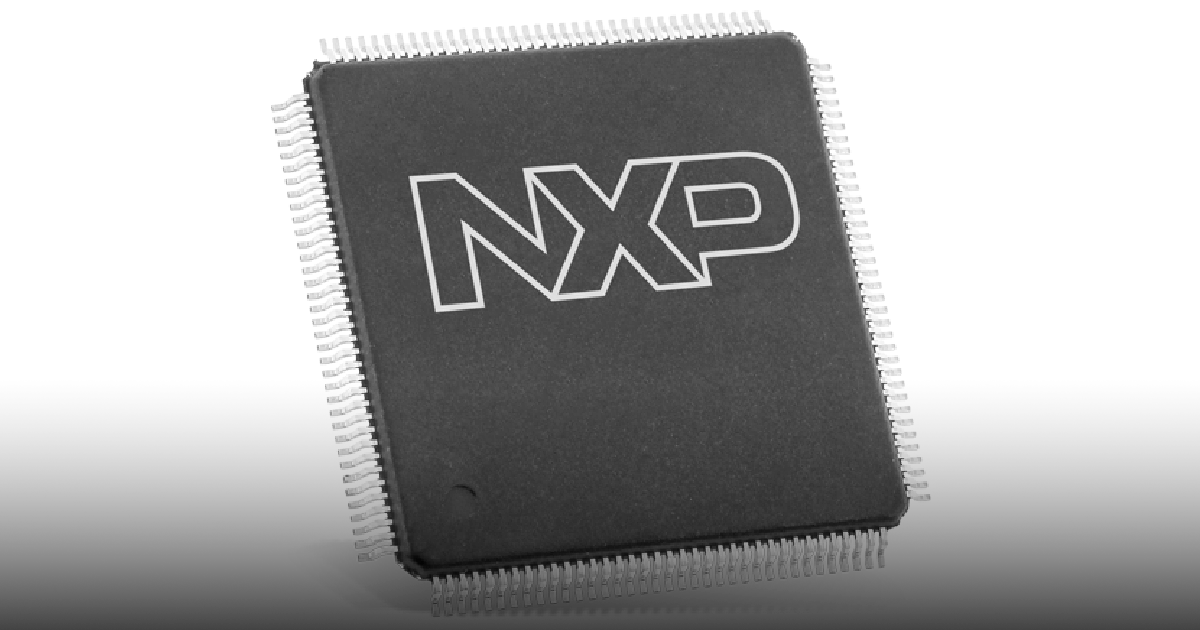
An integrated circuit (IC) is a tiny electronic device made up of thousands to billions of transistors, resistors, capacitors, and other components — all embedded into a small chip of semiconductor material, usually silicon. These components are interconnected in a fixed layout to perform specific electrical functions, such as amplification, computation, signal modulation, or memory storage.
Before ICs were invented, electronic devices used large and bulky circuits built from individual components wired together manually. The invention of ICs in the late 1950s revolutionized the electronics industry by allowing complex circuits to be miniaturized, mass-produced, and made more reliable and energy-efficient.
How Does an Integrated Circuit Work?
To understand how an IC works, we need to explore its internal components and how they interact:
1. Semiconductor Substrate
At the heart of every IC is a thin wafer of silicon, known as the substrate. Silicon is a semiconductor, which means it can conduct electricity under certain conditions and insulate under others. This property allows IC designers to create precise control over how current flows through the chip.
2. Transistors – The Core Switching Element
The most important component inside an IC is the transistor, a tiny electronic switch that controls the flow of electrical current. Transistors can act as amplifiers or digital switches, turning current on and off based on input signals. Modern ICs can contain billions of transistors in chips smaller than a fingernail.
In digital ICs, transistors are used to represent binary states (0 or 1). Combinations of these states form logic gates, which process and store data. In analog ICs, transistors help amplify continuous signals like sound or radio waves.
3. Passive Components
ICs also contain resistors, capacitors, and sometimes inductors, which manage current flow, filter signals, and stabilize voltage. These passive elements work alongside transistors to achieve the desired functionality.
4. Metal Interconnects and Dielectric Layers
All internal components are connected by microscopic metal lines (usually aluminum or copper) that form electrical pathways. Dielectric (insulating) layers are placed between these metal layers to prevent short circuits and maintain signal integrity.
5. Packaging and Pins
Once the chip is fabricated, it is placed inside a protective package with external pins or pads that allow the IC to connect to a printed circuit board (PCB). The package shields the chip from physical damage and environmental conditions.
Types of Integrated Circuits
Integrated circuits can be categorized based on their function:
Analog ICs – process continuous signals (e.g., audio amplifiers, voltage regulators)
Digital ICs – process discrete binary data (e.g., microcontrollers, processors, memory chips)
Mixed-Signal ICs – combine both analog and digital functions (e.g., ADCs, DACs, RF chips)
Power ICs – manage and distribute electrical power efficiently (e.g., battery management chips)
RF ICs – handle radio frequency signals (e.g., used in wireless communication)
Common Applications of ICs
Integrated circuits are everywhere. They are essential in:
Consumer Electronics – smartphones, TVs, game consoles, smartwatches
Computing – CPUs, GPUs, memory modules, SSDs
Telecommunications – 5G chips, routers, modems
Automotive – engine control units (ECUs), infotainment systems, ADAS
Medical Devices – diagnostic equipment, patient monitors, wearable health tech
Industrial Automation – sensors, PLCs, motor controllers
Aerospace & Defense – avionics, radar systems, satellites
Why ICs Are Important
The advantages of integrated circuits over traditional discrete circuits include:
Miniaturization – Smaller devices with more functionality
Speed – Faster signal processing
Power Efficiency – Lower energy consumption
Reliability – Fewer physical connections reduce the chance of failure
Cost-effectiveness – Mass production leads to lower per-unit costs
These benefits have fueled rapid innovation in nearly every industry that relies on electronics.
Final Thoughts
Integrated circuits are the silent workhorses behind today’s technological revolution. Whether it’s enabling high-speed computing, efficient power management, or advanced wireless communication, ICs are indispensable. As the demand for smarter, faster, and smaller devices continues to grow, integrated circuits will only become more critical in shaping the future.
About Ample Chip – Your Trusted Integrated Circuit Supplier
At Ample Chip, we specialize in the distribution and sourcing of high-quality integrated circuits (ICs) for OEMs, EMS, and manufacturers around the world. As a leading independent distributor, we offer a vast inventory of in-stock, genuine components, including analog ICs, digital ICs, RF ICs, and power management ICs. Whether you’re developing cutting-edge consumer electronics or mission-critical industrial equipment, Ample Chip provides:
Reliable sourcing from authorized and traceable suppliers
Competitive pricing and flexible procurement
Fast global delivery
Full support for hard-to-find and obsolete parts
Visit www.ample-chip.com to explore our product range or contact us for a customized sourcing solution. Power your innovations with Ample Chip – your partner in semiconductor excellence.