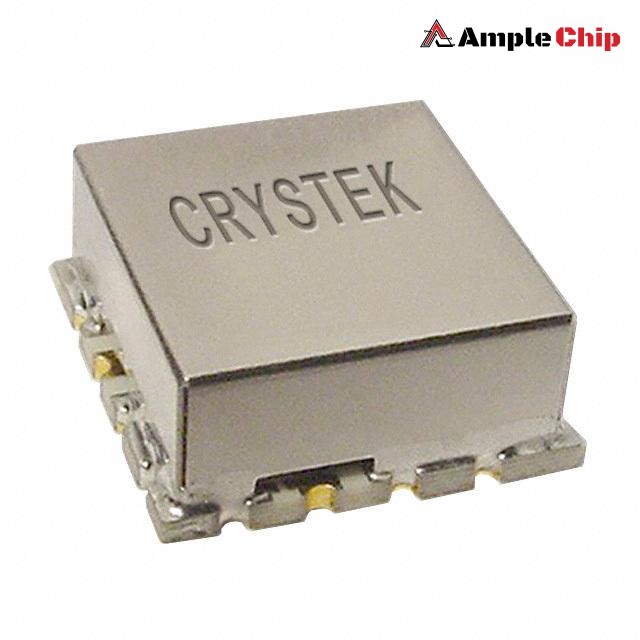
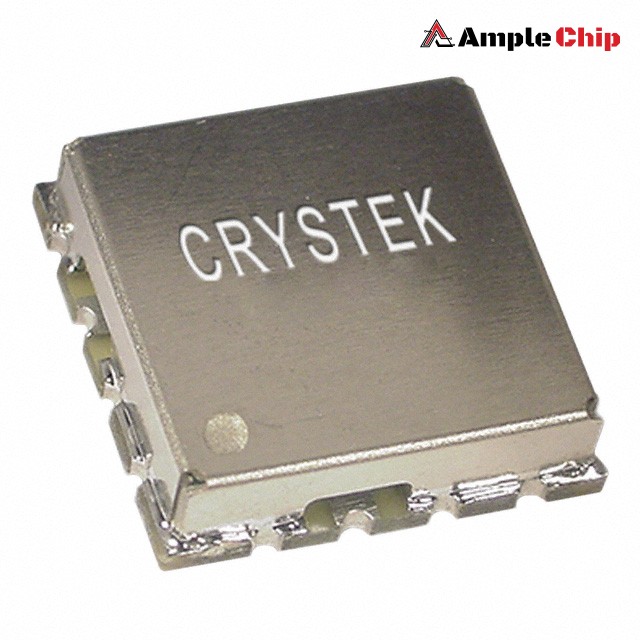
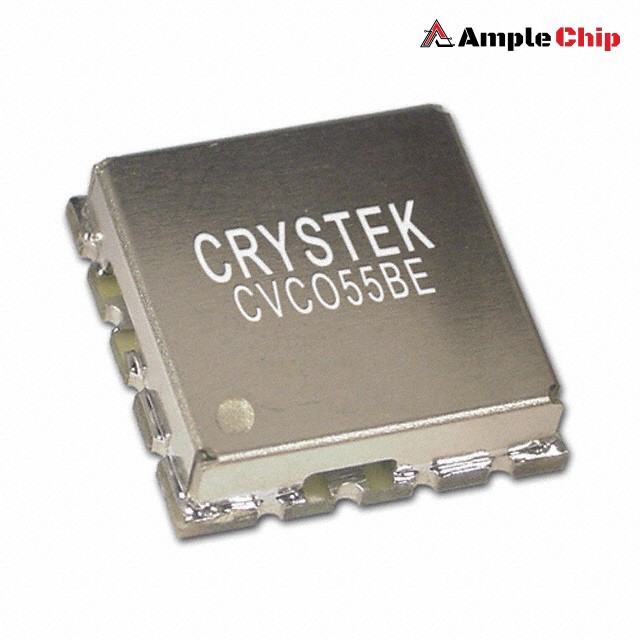
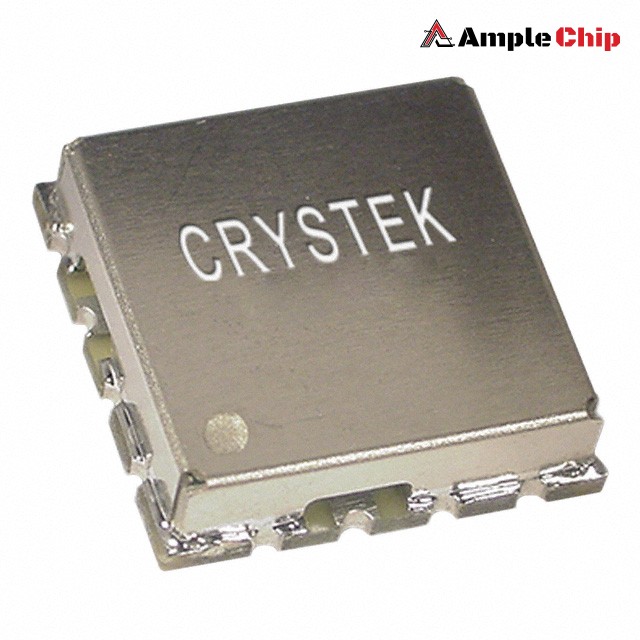
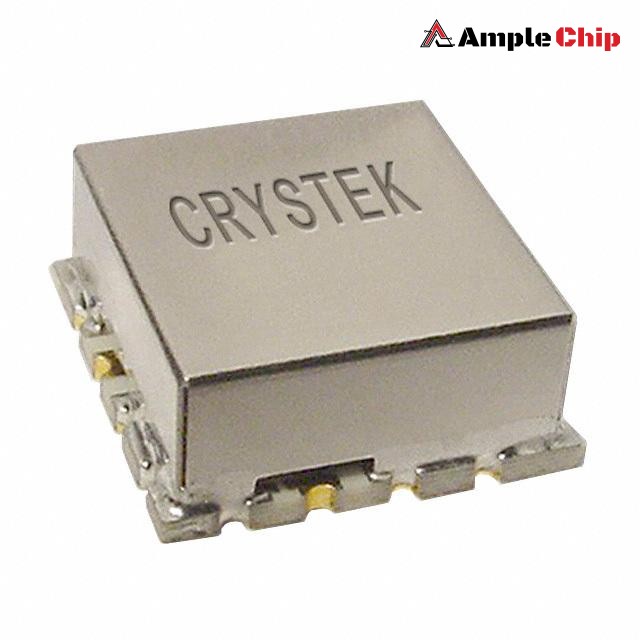
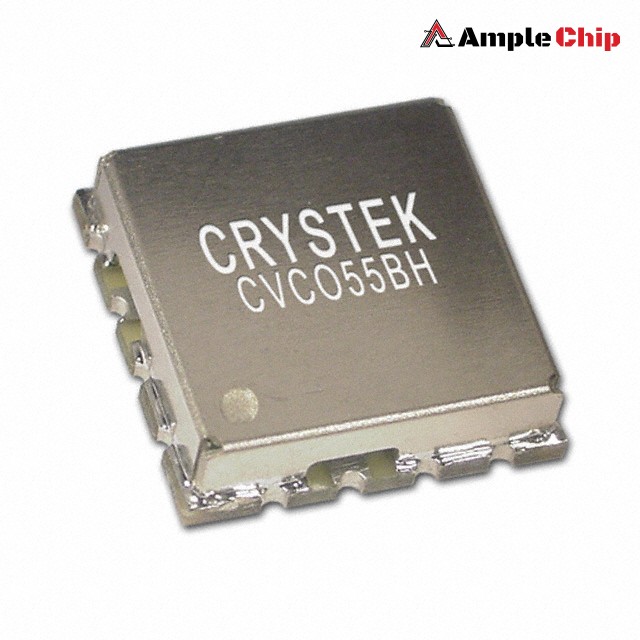
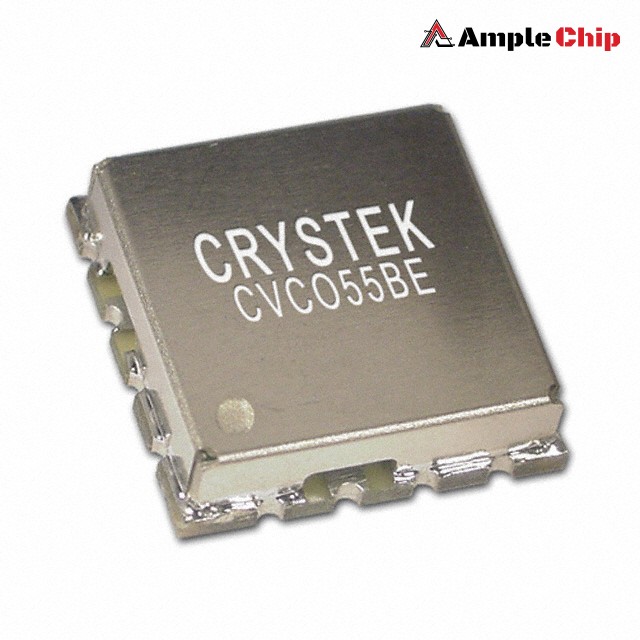
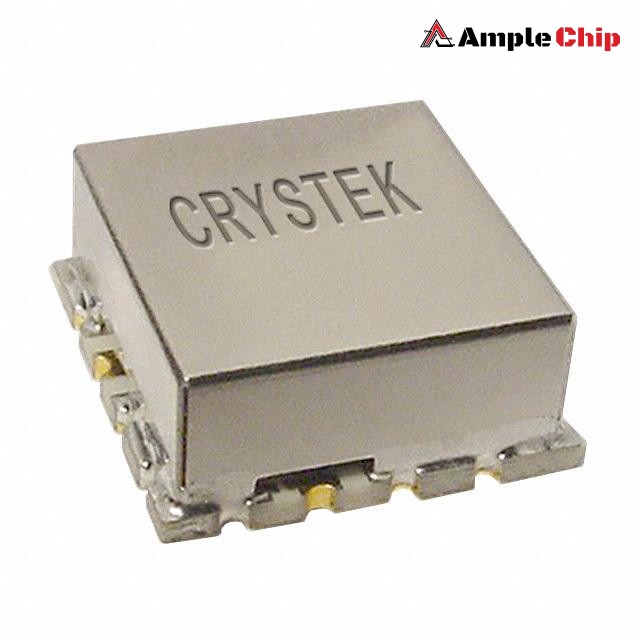
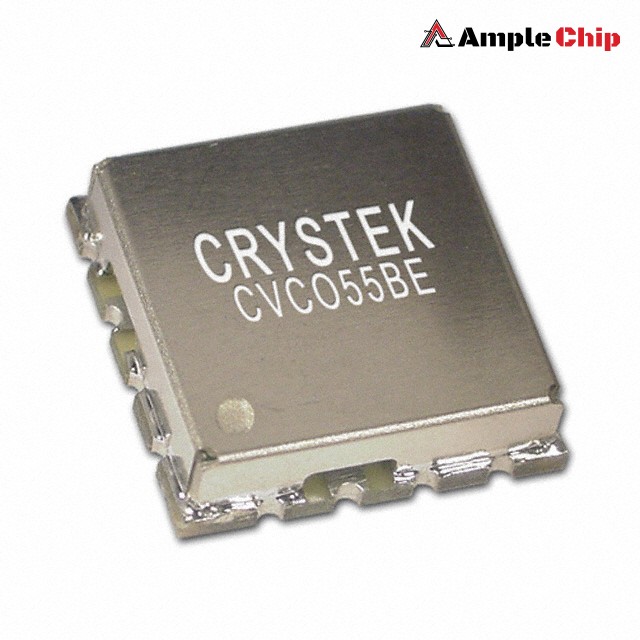
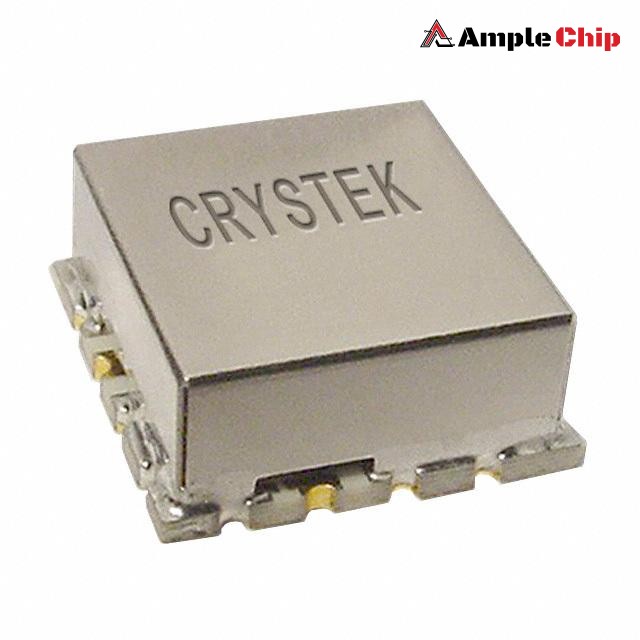
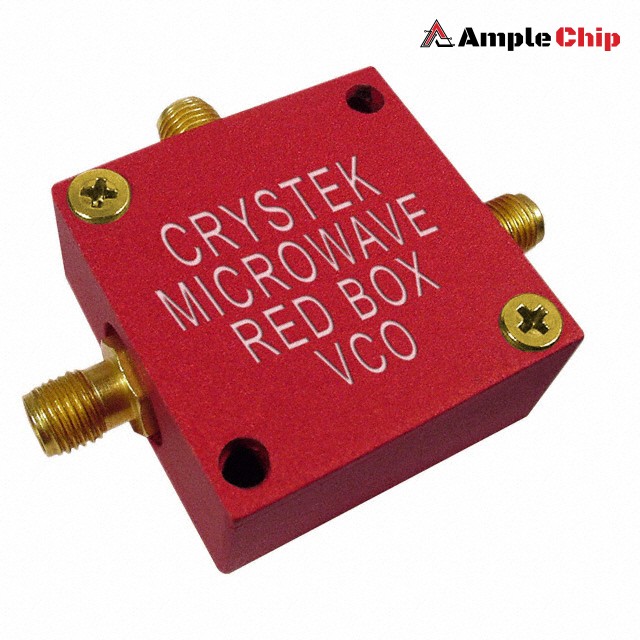
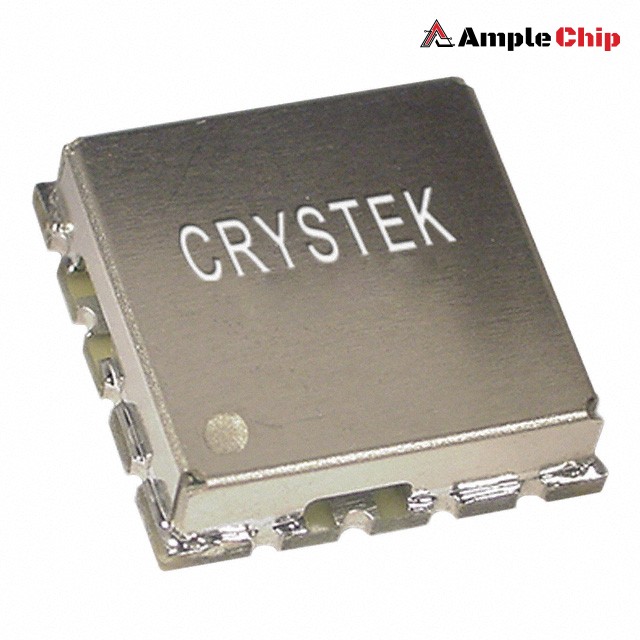
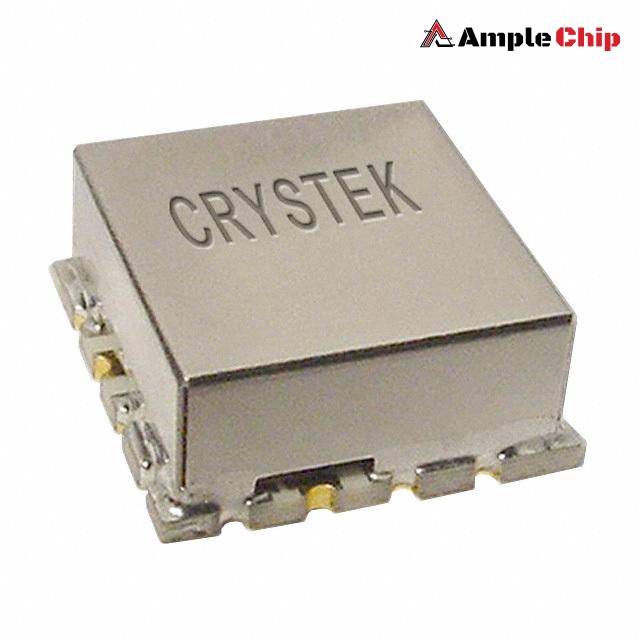
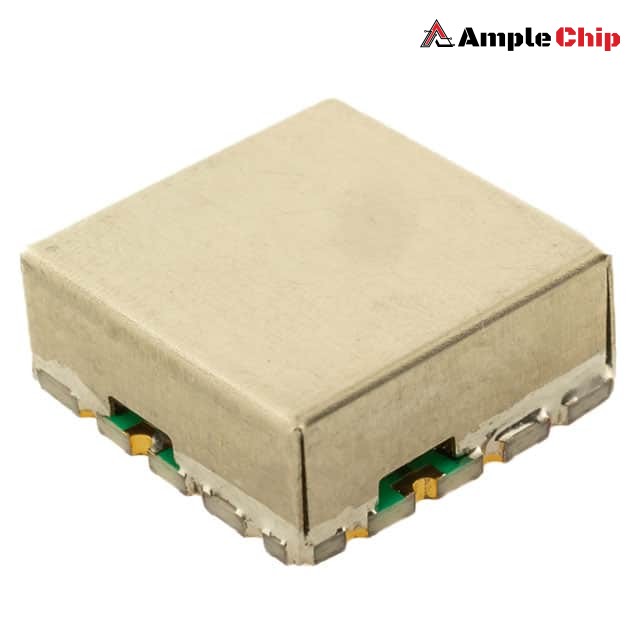
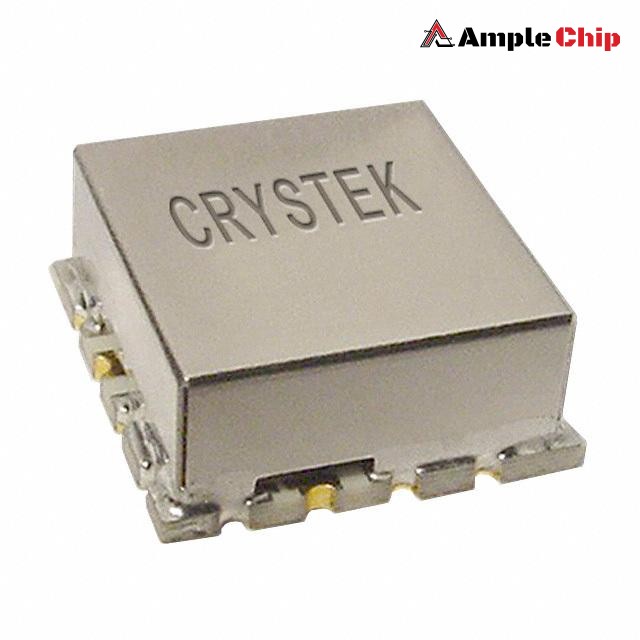
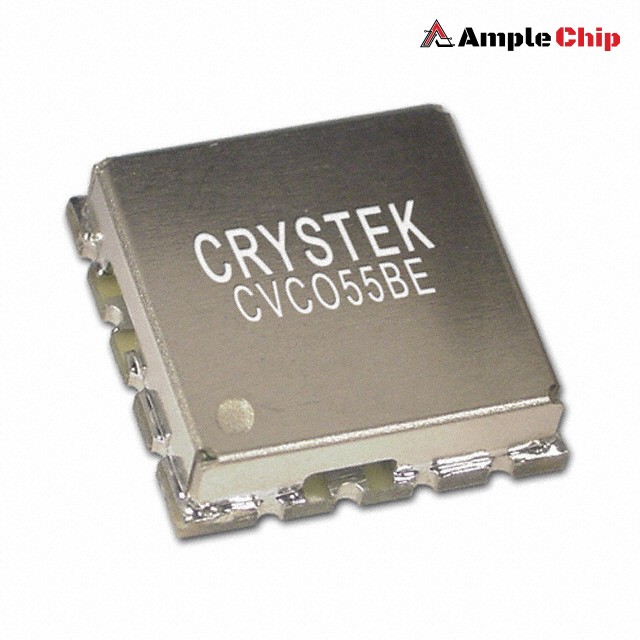
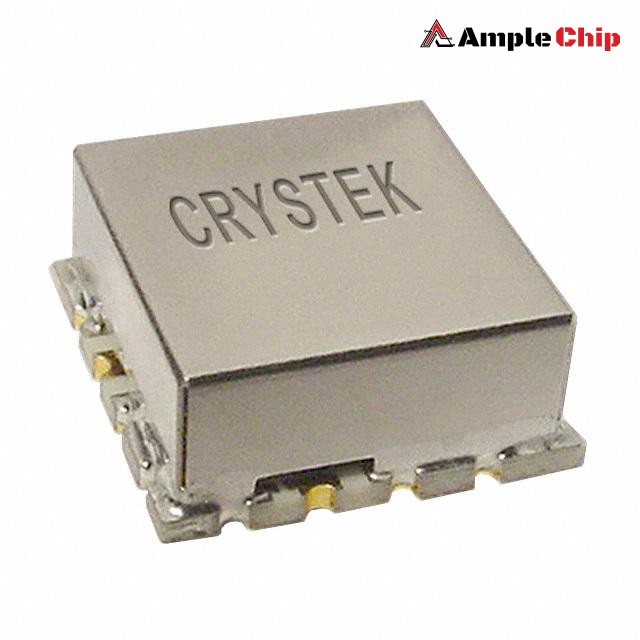
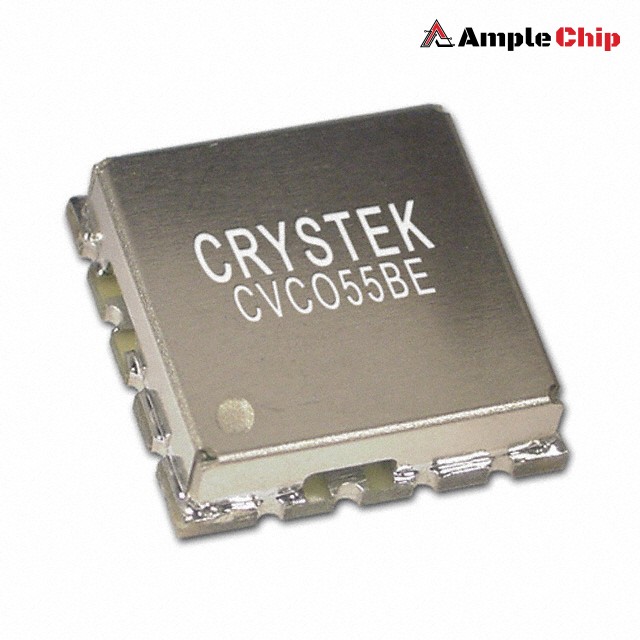
VCOs (Voltage Controlled Oscillators)

Image Part Number Description / PDF Quantity Rfq
CVCO55CC-2140-2140

CVCO55CC-2140-2140

Crystek Corporation

VCO 2140MHZ 0.3-4.7V 12.7X12.7MM

5

CVCO55CL-0902-0928

CVCO55CL-0902-0928

Crystek Corporation

VCO 915MHZ 0.5-4.5V 12.7X12.7MM

10

CVCO55BE-1690-2062

CVCO55BE-1690-2062

Crystek Corporation

VCO 1876MHZ 0-5V 12.7X12.7MM

0

CVCO55CL-0470-0520

CVCO55CL-0470-0520

Crystek Corporation

VCO 495MHZ 0.3-4.7V 12.7X12.7MM

0

CVCO55CC-3500-3700

CVCO55CC-3500-3700

Crystek Corporation

VCO 3600MHZ 0.1-16V 12.7X12.7MM

0

CVCO55BH-3600-3800

CVCO55BH-3600-3800

Crystek Corporation

VCO 3700MHZ 0.5-4.5V 12.7X12.7MM

0

CVCO55BE-1930-2400

CVCO55BE-1930-2400

Crystek Corporation

VCO 2165MHZ 0.5-18V 12.7X12.7MM

0

CVCO55CC-2748-2956

CVCO55CC-2748-2956

Crystek Corporation

VCO 2852MHZ 0.5-4.5V 12.7X12.7MM

7

CVCO55BE-2060-2300

CVCO55BE-2060-2300

Crystek Corporation

VCO 2180MHZ 0.3-4.7V 12.7X12.7MM

0

CVCO55CC-2580-2860

CVCO55CC-2580-2860

Crystek Corporation

VCO 2720MHZ 0.5-16V 12.7X12.7MM

0

CVCO55CC-2380-2580

CVCO55CC-2380-2580

Crystek Corporation

VCO 2480MHZ 0.5-15V 12.7X12.7MM

5

CRBV55BE-1000-1500

CRBV55BE-1000-1500

Crystek Corporation

VCO 1250MHZ 0.5-4.5V 31.75X14.99

0

CVCO55CL-1165-1175

CVCO55CL-1165-1175

Crystek Corporation

VCO 1170MHZ 0.5-4.5V 12.7X12.7MM

0

CVCO55CC-2515-2530

CVCO55CC-2515-2530

Crystek Corporation

VCO 2522.5MHZ 0.3-4.7V 12.7X12.7

0

CVCO55CC-4124-4238

CVCO55CC-4124-4238

Crystek Corporation

VCO 4181MHZ 0.1-16V 12.7X12.7MM

0

RQRA-0200-LPH

RQRA-0200-LPH

Raltron

VCO 200MHZ 12.7X12.7MM

25

CVCO55CC-2150-2150

CVCO55CC-2150-2150

Crystek Corporation

VCO 2150MHZ 0.3-4.7V 12.7X12.7MM

0

CVCO55BE-2200-2570

CVCO55BE-2200-2570

Crystek Corporation

VCO 2385MHZ 1-17V 12.7X12.7MM

0

CVCO55CC-2962-3388

CVCO55CC-2962-3388

Crystek Corporation

VCO 3175MHZ 0.1-16V 12.7X12.7MM

0

CVCO55BE-2270-2330

CVCO55BE-2270-2330

Crystek Corporation

VCO 2300MHZ 1-5V 12.7X12.7MM

0

VCOs (Voltage Controlled Oscillators)

1. Overview

Voltage Controlled Oscillators (VCOs) are electronic oscillators whose output frequency can be varied by an input voltage. As a critical component in phase-locked loops (PLLs), frequency synthesizers, and communication systems, VCOs enable precise frequency control and modulation. Their ability to convert voltage signals into corresponding frequency outputs makes them indispensable in modern wireless communication, radar systems, and signal processing equipment.

2. Main Types and Functional Classification

Type Functional Characteristics Application Examples
LC VCO Uses inductor-capacitor (LC) tank circuits for frequency tuning. Wide tuning range but lower phase noise stability. Wireless transceivers, FM modulators
Crystal VCO Crystal-based reference with varactor diode tuning. High stability and moderate tuning range. Test equipment, precision measurement devices
Dielectric Resonator VCO (DR VCO) Uses ceramic resonators for high-Q performance at microwave frequencies. Satellite communication, military radar systems
Ring VCO Composed of cascaded delay cells. Wideband operation with compact IC integration. Optical communication, clock recovery circuits
Digital Controlled VCO (DCO) Digitally adjusted frequency steps with improved temperature stability. 5G infrastructure, IoT devices

3. Structure and Components

A typical VCO consists of:

  • Tunable resonant circuit (LC tank, crystal, or dielectric resonator)
  • Amplification stage (transistor or op-amp based)
  • Voltage-controlled reactance element (varactor diode or MEMS varactor)
  • Feedback network for sustained oscillation
  • Power supply decoupling and temperature compensation circuitry

Modern VCOs are packaged in surface-mount (SMD) or through-hole (DIP) formats, often integrating bias-T circuits and buffer amplifiers.

4. Key Technical Specifications

Parameter Description
Frequency Range Operational bandwidth (e.g., 800 MHz - 1.2 GHz)
Tuning Voltage Range Control voltage range (typically 0-5V or 0-15V)
Phase Noise Spectral purity measured in dBc/Hz (e.g., -100 dBc/Hz @ 10 kHz offset)
Tuning Linearity Frequency vs voltage deviation (expressed as % error)
Temperature Stability Frequency drift over temperature (ppm/ C)
Output Power RMS power level (e.g., +10 dBm)

5. Application Fields

  • Telecommunications: 5G base stations, Software-Defined Radios (SDRs)
  • Test & Measurement: Signal generators, spectrum analyzers
  • Medical: MRI scanners, ultrasound Doppler systems
  • Automotive: Millimeter-wave radar, V2X communication
  • Industrial: Precision sensors, IoT gateway devices

6. Leading Manufacturers and Products

Manufacturer Product Model Key Features
Analog Devices ADF4355 35 MHz - 4.4 GHz, fractional-N PLL integrated
Skyworks Solutions Si550 MEMS-based, 10 MHz - 1 GHz, 20 ppm stability
Qorvo DC2310 10 MHz - 6 GHz, low phase noise (-114 dBc/Hz)
STMicroelectronics VCO1110 CMOS-compatible, 1 GHz - 2 GHz for Bluetooth applications

7. Selection Guidelines

Key considerations:

  • Required frequency range and tuning bandwidth
  • Phase noise requirements (critical for communication systems)
  • Temperature operating range (-40 C to +85 C for industrial)
  • Package size (SMD for compact PCB designs)
  • Power consumption (important for battery-operated devices)
  • Cost vs performance trade-offs

Example: For a 2.4 GHz ISM band transmitter, select a VCO with 2.4-2.5 GHz range, -100 dBc/Hz phase noise, and 3.3V power supply compatibility.

8. Industry Trends

  • Integration with PLL and frequency dividers in single-chip solutions
  • Development of mmWave VCOs (above 24 GHz) for 5G and automotive radar
  • Adoption of MEMS technology for improved stability and miniaturization
  • Emergence of digitally controlled architectures with on-chip calibration
  • Focus on low-phase noise and low-power designs for IoT applications
RFQ BOM Call Skype Email
Top